Brain Injury Lawyer in Denver for Pedestrian Accident Brain Injuries

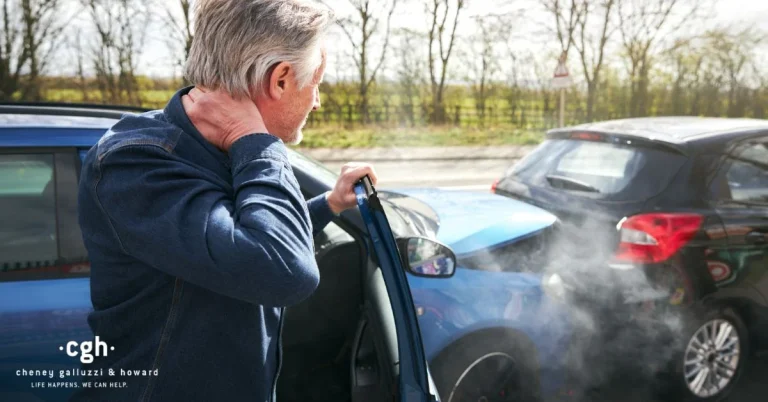
A pedestrian hit by a vehicle can suffer a brain injury in a matter of seconds, yet the legal and medical consequences often unfold over months or years. In https://waylontufr369.alderbrief.com/posts/why-experience-counts-in-a-denver-brain-injury-lawyer Denver, these cases are rarely simple. A person may be thrown onto the hood, strike the windshield, then hit the pavement. Sometimes there is visible trauma right away. Sometimes there is not. A client may walk away from the scene, feel shaken but alert, and only later develop headaches, confusion, vision problems, memory loss, or personality changes that disrupt work and family life.
That gap between the collision and the full picture of the injury is one of the hardest parts of a pedestrian brain injury case. Insurance carriers often use it to argue that the injury is exaggerated, unrelated, or less serious than claimed. A seasoned Brain Injury Lawyer Denver residents trust understands that traumatic brain injuries do not always present neatly on day one, and that good lawyering in these claims depends on proving both liability and the true human cost of the injury.
Why pedestrian brain injury cases are different
Pedestrian crashes are uniquely violent. Unlike drivers or passengers, pedestrians have no seat belt, no airbag, no steel frame around them. Even a relatively low speed impact can produce a forceful head strike. A fall to concrete can be enough to cause a concussion, a brain bleed, diffuse axonal injury, or a prolonged post-concussive syndrome.
In practice, the injury pattern often reflects two impacts, not one. The first is the vehicle striking the body. The second is the head hitting the ground, curb, windshield, or another object. That second impact is where many brain injuries occur. I have seen cases where a fractured wrist or broken tibia drew early attention in the emergency room, while the cognitive injury did not become obvious until family members noticed the person repeating questions, forgetting appointments, or struggling to follow ordinary conversations.
This matters in a legal claim because brain injuries can be expensive in ways that are not obvious from the initial hospital bill. A concussion is not always “just a concussion.” For some people, symptoms resolve in weeks. For others, the injury interferes with concentration, sleep, balance, tolerance for noise, screen use, and emotional regulation for a long time. A person who worked in finance, construction management, sales, software, education, or health care may find that they can no longer perform at the same level, even if scans do not show a dramatic abnormality.
The Denver factors that often shape these claims
Denver presents its own set of facts in pedestrian injury cases. Busy downtown corridors, left turning vehicles, rideshare traffic, winter road conditions, dim early sunsets, and fast moving arterial roads all show up repeatedly in case files. Some collisions occur in marked crosswalks with clear pedestrian signals. Others happen mid-block, near bus stops, at parking lot entrances, or in areas where drivers are watching for other vehicles but not for people on foot.
That local context matters because liability is often argued hard. The driver may say the pedestrian came out suddenly. The insurer may point to dark clothing, weather, distraction, or an unclear crossing point. In a serious brain injury case, that fight over fault can become central because the damages are large and the stakes are high.
Colorado follows a modified comparative negligence rule. In plain terms, an injured person’s compensation can be reduced by their share of fault, and recovery is barred if they are found 50 percent or more at fault. That makes early investigation especially important. Small details, the timing of the light, vehicle speed, sightlines, surveillance video, skid marks, phone records, witness statements, and body-worn camera footage, can materially change the value of a claim.
What a brain injury may look like after a pedestrian collision
Many people expect brain injuries to be obvious. Severe cases can be. But a large percentage of pedestrian brain injury claims involve injuries that are medically real and functionally disabling, yet not immediately dramatic to an outside observer.
A few symptoms tend to show up repeatedly:
- headaches, dizziness, and sensitivity to light or noise
- memory lapses, slowed processing, and trouble concentrating
- sleep disruption and unusual fatigue
- mood changes, irritability, anxiety, or depression
- balance issues, blurred vision, or nausea
These symptoms can affect nearly every part of daily life. Someone who used to multitask with ease may struggle to follow a grocery list. A parent may become overwhelmed by ordinary household noise. A project manager may lose the ability to track multiple deadlines. A warehouse worker may become unsafe around machinery because of delayed reaction time or dizziness.
The law does not compensate a diagnosis in the abstract. It compensates harm. That means the strongest cases tell the story of the injury in concrete terms. Not just “my client had a concussion,” but “my client now needs reminders for appointments, can tolerate only short periods on a computer, missed four months of work, and was demoted after repeated concentration problems.” Those details often come from medical records, family observations, employer input, neuropsychological testing, and the injured person’s own consistent reporting over time.
Why early legal help can make a real difference
Brain injury claims are evidence-driven. Once video is erased, skid marks fade, and witnesses become hard to find, the case gets harder. The same is true medically. If there are long gaps in treatment, insurers often use those gaps to argue that symptoms were mild or unrelated.
A lawyer handling a pedestrian brain injury case in Denver should move quickly to preserve the right proof. That may include obtaining crash reports, scene photographs, traffic camera inquiries, business surveillance requests, 911 recordings, emergency medical records, ambulance notes, and witness interviews. In some cases, it also means examining the vehicle for windshield damage, hood dents, event data, or onboard information that helps reconstruct the collision.
On the medical side, timing matters too. A good attorney will encourage appropriate follow-up with physicians, neurologists, concussion specialists, rehabilitation providers, and when necessary, neuropsychologists. The point is not to inflate treatment. The point is to document the injury honestly and thoroughly so the claim reflects reality.
One common insurer tactic is to seize on a “normal” CT scan. Many mild to moderate traumatic brain injuries do not produce findings on a CT. That is not the end of the inquiry. Clinical history, symptom progression, neurological exams, occupational impact, and specialized testing can all matter. Lawyers who do not understand that often undervalue these claims.
Building the liability case when the pedestrian cannot remember the impact
Memory gaps are common in brain injury cases. That creates a practical problem. The person most affected may not remember the signal phase, the driver’s speed, the point of impact, or whether the vehicle paused before turning. When that happens, the case must be built from independent evidence.
In a strong file, liability is assembled piece by piece. The police report may provide a baseline, but it is seldom the whole story. Officers arrive after the collision. They may interview only the driver and a limited number of witnesses. A diagram can be rough. A citation may help, but it is not required for a civil claim.
This is where careful investigation earns its value. Surveillance from nearby buildings sometimes captures the event directly. More often, it catches enough of the sequence to establish timing, direction of travel, lighting, or traffic flow. Black box or app-based driving data may exist. Rideshare or delivery drivers may have digital trip records. A witness standing at a bus stop may remember that the walk signal had changed. A treating physician’s early record may document that the patient reported being struck in a crosswalk before litigation was even contemplated. Cases are won on these details.
The damages side is usually the harder side
Proving that a driver hit a pedestrian is only part of the case. Proving what the brain injury has done to the person’s life is often more difficult.
With a broken arm, an X-ray gives everyone something concrete. Brain injuries can be less visible. The client may look fine during a short conversation. They may be trying hard to appear fine because that is what functioning adults do. Yet after fifteen minutes of concentration they may need to lie down in a dark room. They may become mentally spent after a routine grocery run. They may forget what they read three paragraphs ago.
A strong damages presentation often includes the progression of symptoms over time, not just a snapshot. Did the person return to work too early and fail? Did they require speech therapy or vestibular therapy? Did they begin missing family events because noise and stimulation became intolerable? Did a spouse take on household tasks because the injured person could no longer organize bills or manage school schedules? Those losses are real, even though they do not appear on a standard imaging scan.
Future damages also deserve close attention. Some clients improve substantially with treatment. Others plateau. In more serious cases, the person may face permanent cognitive deficits, reduced earning capacity, and a need for ongoing support. It is a mistake to settle before the long-term picture is reasonably clear.
What a Brain Injury Lawyer Denver clients hire should actually do
People often think a lawyer’s role is mainly negotiation. In a brain injury case, that is too narrow. Good representation is part investigation, part medical storytelling, part financial analysis, and part trial preparation.
A capable attorney should understand how to gather and present the evidence that turns a disputed injury into a credible, documented claim. That does not mean manufacturing drama. It means doing the work. Reviewing the records closely. Spotting missing treatment gaps. Understanding which specialists matter. Knowing when vocational evidence or life care planning may be appropriate. Anticipating the defense argument before it appears in a demand response or deposition.
For example, consider a pedestrian who worked as an accountant before being struck in LoDo by a turning SUV. The client returned to work after three weeks because sick leave was limited. On paper, that may look like a mild injury. In reality, the person starts making calculation errors, cannot tolerate dual monitors, develops migraines by midafternoon, and is eventually placed on performance review. A lawyer unfamiliar with brain injury cases may present that as a soft claim. A lawyer who understands cognitive injuries will document the failed return to work, obtain supporting provider opinions, and tie the symptoms to measurable wage loss and diminished earning capacity.
Medical records help, but daily life evidence often changes the case
In pedestrian brain injury litigation, some of the most persuasive evidence comes from outside the formal chart. Family members often notice changes before clinicians can fully capture them. A spouse sees the forgotten appointments, irritability, mental fatigue, and loss of initiative. A coworker notices slowed processing and repeated mistakes. A friend sees someone withdraw from social life because crowds and noise now trigger symptoms.
That kind of evidence must be handled carefully. It should be specific, consistent, and grounded in observation. Vague claims that “everything changed” are easy to discount. Specific examples carry weight. “He used to coach soccer twice a week and now cannot tolerate an hour outdoors with noise and movement” says more than a broad statement about reduced quality of life. “She used to manage forty client files and now forgets follow-up tasks unless everything is written down” gives the injury shape.
Journals can help too, especially in the first few months. A short daily note about headaches, dizziness, appointments, missed work, medication effects, and activity limits can make it easier to reconstruct the course of recovery later. Memory is not always reliable after a brain injury, and litigation usually lasts much longer than people expect.
Common defense themes in Denver pedestrian brain injury claims
Insurers tend to return to a few familiar themes. They may argue the pedestrian was outside the crosswalk, stepped into traffic, wore dark clothing, crossed against the signal, or was distracted by a phone. They may also argue that any cognitive complaints stem from stress, prior concussions, preexisting anxiety, poor sleep, medication issues, or unrelated life pressures.
Some of those issues may be relevant. Real cases are not always clean. A person can have a prior concussion and still suffer a new traumatic brain injury. A person can be anxious after being hit by a car and also have legitimate post-concussive symptoms. The law does not require perfect health before a crash. It requires proof of what this collision caused or worsened.
That is why experienced judgment matters. Overstating a case can damage credibility. Underexplaining a case can leave money on the table. The right approach usually involves candor about preexisting conditions, careful comparison of before and after functioning, and a disciplined focus on the symptoms, restrictions, and losses supported by the record.
What to do after a pedestrian accident if a brain injury is possible
The first days after the collision can affect both recovery and the claim. If there is any concern about head trauma, the safest course is prompt medical evaluation and close monitoring.
A few steps are especially important:
- get medical care immediately, even if symptoms seem mild at first
- follow up if headaches, confusion, dizziness, or memory problems appear later
- avoid giving a recorded statement to the driver’s insurer before getting advice
- preserve evidence, including photos, clothing, contact information, and any witness details
- speak with a lawyer before accepting a quick settlement
Quick settlements are particularly risky in brain injury cases. Symptoms often evolve. What feels manageable in the first week can become disabling by the sixth. Once a release is signed, the case is usually over, even if the medical picture worsens.
Insurance issues that surprise injured pedestrians
Many pedestrians assume the at-fault driver’s bodily injury coverage will fully take care of things. Sometimes it does not. The driver may carry low limits. There may be disputes over fault. More than one policy may be implicated in certain cases, such as a rideshare scenario, a commercial vehicle collision, or a crash involving a household policy with relevant coverage questions.
Health insurance, medical payment issues, reimbursement claims, and liens can complicate the recovery picture as well. If treatment is extensive, those numbers matter. A settlement that looks substantial at first glance can shrink quickly once medical balances, health insurer reimbursement rights, case costs, and attorney fees are accounted for. A good attorney should discuss that math honestly, not after the deal is done.
Timing matters more than many people realize
Colorado deadlines can be unforgiving. In many motor vehicle related injury cases, the statute of limitations is three years, but legal timing questions can vary depending on the facts, the parties involved, and where the claim is headed. Government-related cases may have special notice requirements on a much shorter timetable. Evidence also has a shelf life long before a filing deadline arrives.
Waiting can damage a valid claim in quieter ways too. Witnesses disappear. Surveillance footage is overwritten. Treatment gaps grow. Employers change. Recollection hardens around incomplete assumptions. By the time many people call a lawyer, they are not just trying to build a case. They are trying to rebuild one.
Choosing counsel for a serious pedestrian brain injury case
Not every personal injury practice handles traumatic brain injury cases with the same depth. The right fit is usually a lawyer who understands both the medicine and the litigation dynamics, and who is prepared to invest in the case rather than process it.
Ask practical questions. Has the lawyer handled pedestrian cases involving concussions or more serious traumatic brain injuries? How do they approach proving cognitive impairment when scans are normal? Who gathers the liability evidence? How do they evaluate future wage loss? Will they prepare the case for trial if the insurer refuses to pay fairly?
Those answers matter because these cases are expensive to build and easy to undervalue. The difference between a generic injury claim and a carefully developed brain injury claim can be enormous, especially where long-term cognitive effects interfere with a career.
The larger point
A pedestrian brain injury can change far more than a medical chart. It can alter how a person thinks, works, rests, drives, parents, communicates, and experiences ordinary life. Denver collision claims involving these injuries require more than a demand letter and a stack of bills. They require careful proof, measured judgment, and a lawyer who knows how to connect the violence of the crash to the invisible but very real losses that follow.
For injured pedestrians and their families, that work is not about dramatizing the case. It is about making sure the legal system sees what the injury has actually taken. When the symptoms are subtle, the memory is incomplete, and the insurer is eager to minimize the claim, experienced representation can make the difference between a file that is dismissed as “just a concussion” and a case that is finally understood for what it is.
CGH Injury Lawyers
Address: 2701 Lawrence St Ste 201, Denver, CO 80205
Phone number: +17206698062
FAQ About Brain Injury Lawyer Denver
What to avoid after brain injury?
After a brain injury (such as a concussion or traumatic brain injury), protecting your brain from physical, mental, and chemical stress is critical to proper healing.
What is a brain injury lawyer?
A brain injury lawyer (or Traumatic Brain Injury / TBI lawyer) is a personal injury attorney who represents individuals who have suffered concussions, contusions, hemorrhages, or other forms of brain trauma caused by someone else's negligence, recklessness, or intentional harm.
Can traumatic brain injury be cured?
A traumatic brain injury (TBI) cannot be strictly "cured" in the sense of reversing permanent cell death or restoring the brain to its exact pre-injury state. However, the brain possesses a remarkable ability to heal and adapt.
Corrections
Spot something wrong? Send it to the desk and it gets fixed in the open.